


Best Fitness Trackers: Tested, Compared, and Ranked for Every Budget
A practical guide to choosing the right fitness tracker based on budget, battery life, tracking features, display preferences, and subscription requirements.
Fitness trackers have evolved far beyond simple step counters. Modern wearables can monitor heart rate, sleep patterns, activity levels, recovery metrics, and other health-related data, while some models add GPS, AMOLED displays, smart notifications, and advanced coaching features. Whether you want a discreet screenless wearable, an affordable fitness band, a smartwatch-style tracker, or a traditional-looking hybrid watch, there are now options for almost every type of user.
At GadgetBeng, we have organized the leading options by use case and price category to make the buying decision easier. Instead of paying for features you may never use, this guide helps you identify the type of fitness tracker that best matches your lifestyle, training habits, and budget.
Quick Verdict: Our Top Picks
- Best Overall Value: Xiaomi Smart Band Series — affordable, lightweight, and long-lasting.
- Best Screenless Tracker: Fitbit Air & Charge Lineup — designed for discreet everyday health tracking.
- Best for Athletes & Biohackers: Whoop 5.0 — focused heavily on strain, recovery, sleep, and long-term health metrics.
- Best Smartwatch-Style Tracker: Huawei Watch Fit Series — combines a sharp AMOLED display with fitness and GPS features.
- Best Classic Hybrid: Withings ScanWatch Light — traditional watch styling with modern health tracking.
- Best Rugged Budget Option: Amazfit Active & Bip Series — bright displays, durable construction, and strong battery life.
What to Consider Before Buying a Fitness Tracker
1. Choose the Right Form Factor
The physical design of a fitness tracker has a major impact on how comfortable it is for everyday use. Some people prefer a nearly invisible wearable with no screen, while others want a bright display that can show workout information and notifications directly on the wrist.
- Screenless Trackers: Devices such as Whoop and Fitbit's screenless-style options focus on passive health and fitness tracking without the distractions of a traditional display.
- Fitness Bands: Xiaomi Smart Band models are slim, lightweight, and designed for users who want a compact display with long battery life.
- Smartwatch-Style Trackers: Huawei and Amazfit models offer larger AMOLED displays, workout information, GPS features, and smartphone-style functionality.
2. Check Whether a Subscription Is Required
Subscription requirements can significantly change the long-term cost of a fitness tracker. Premium ecosystems may place some advanced insights, coaching tools, or analytics behind a recurring membership. The supplied comparison highlights Whoop as a subscription-focused option, while Xiaomi, Huawei, and Amazfit offer alternatives where the core tracking experience does not depend on the same type of ongoing membership.
3. Consistency Matters More Than a Single Reading
Wrist-based optical sensors can produce different results depending on movement, workout type, fit, and other conditions. For everyday fitness tracking, maintaining consistent measurements over time can be more useful than focusing on one isolated reading. Trends in resting heart rate, sleep, activity, and recovery can help you understand how your routine changes over weeks and months.
1. Best Screenless Fitness Trackers
Fitbit Air & Charge Series — Best for Distraction-Free Tracking
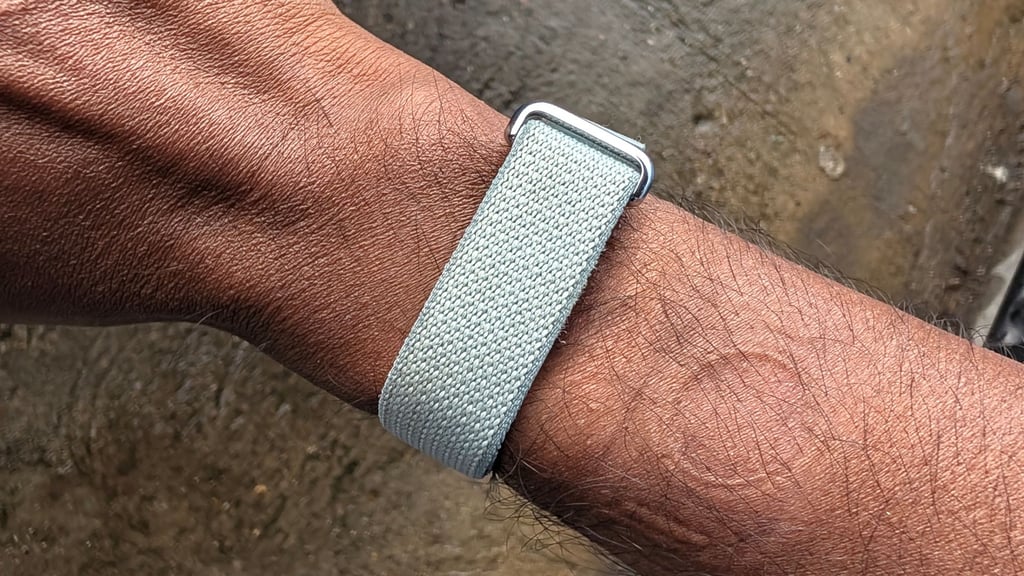
The Fitbit Air is aimed at users who want health and activity tracking without constantly looking at a bright wrist display. Its slim fabric-style design is intended to stay comfortable throughout the day while allowing users to keep a conventional watch on the other wrist or use the tracker independently.
- Key Highlights: Optical heart-rate tracking, sleep-stage monitoring, lightweight construction, and AI-powered recovery summaries.
- Battery Life: Up to 7 days.
- Consider Before Buying: Some advanced workout and AI coaching functions require a Google Health Premium subscription.
Whoop 5.0 / Whoop MG — Built for Recovery-Focused Users
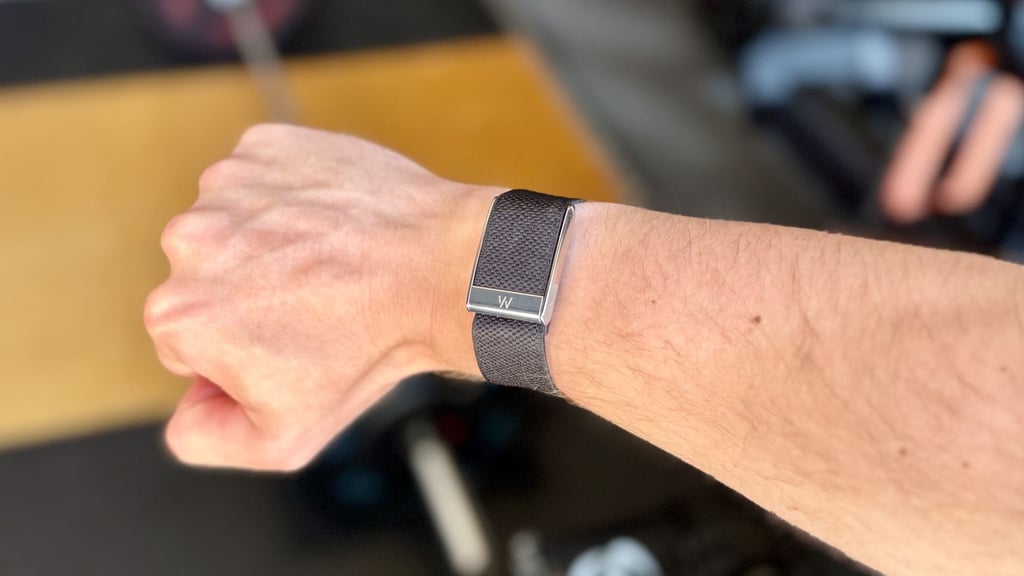
Whoop takes a different approach from traditional fitness bands by removing the screen and focusing heavily on continuous health and performance data. The Whoop 5.0 and Whoop MG are designed for athletes and users who are particularly interested in recovery, training load, sleep, and long-term health trends.
- Key Highlights: 14+ days of battery life, continuous skin-temperature and HRV tracking, Healthspan analytics, and a screen-free design.
- Best For: Athletes, serious fitness users, recovery-focused users, and people who prefer minimal distractions.
- Consider Before Buying: The ongoing membership cost is an important part of the overall ownership experience.
2. Best Value & Budget Fitness Bands
Xiaomi Smart Band 10 — Excellent Value for Everyday Fitness
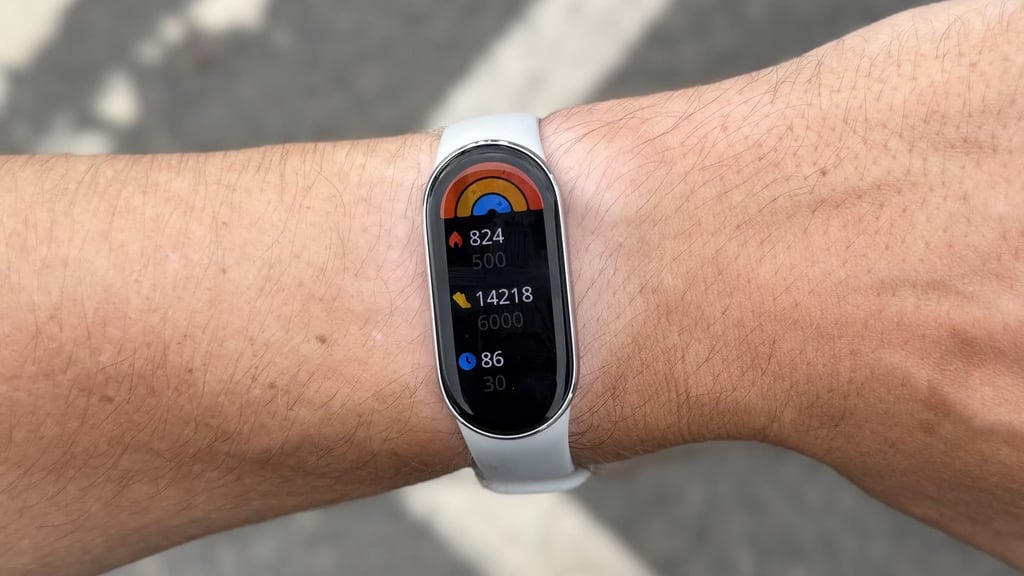
The Xiaomi Smart Band 10 is positioned as an affordable all-rounder for people who want useful health and activity features without spending heavily on a premium wearable. Its compact form factor makes it suitable for everyday wear, while the AMOLED display provides an easy way to check activity information directly from the wrist.
- Key Highlights: AMOLED display, high refresh rate, 14+ days of battery life, 5ATM water resistance, continuous SpO₂ monitoring, and sleep tracking.
- Best For: Casual users, first-time fitness tracker buyers, and anyone looking for strong everyday features at a lower price.
- The Verdict: If you want a straightforward fitness band with long battery life and no comparable premium subscription commitment, the Xiaomi Smart Band 10 is a strong budget choice.
3. Best Fitness Trackers in Smartwatch Form
Huawei Watch Fit Series — Best Display and Hardware Balance
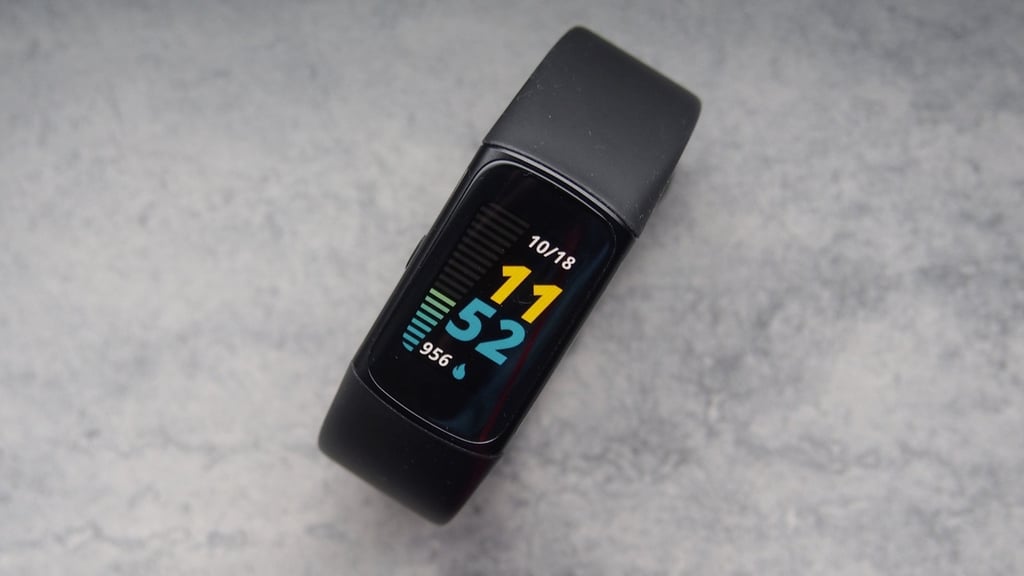
The Huawei Watch Fit series sits between a conventional fitness band and a full-size smartwatch. It offers a larger AMOLED display, fitness tracking, GPS functionality, and health monitoring while maintaining a relatively slim and lightweight profile. For users who want more information on their wrist without moving to a bulky smartwatch, this category is particularly appealing.
- Key Highlights: AMOLED display, approximately 7–10 days of battery life, GPS functionality, sleep monitoring, and HRV-related health analytics.
- Best For: Users who want a fitness-focused wearable with a larger screen and smartwatch-style features.
- Trade-Offs: The third-party app ecosystem and contactless payment availability can be more limited depending on region.
Amazfit Active & Bip Series — Rugged Features at a Lower Price
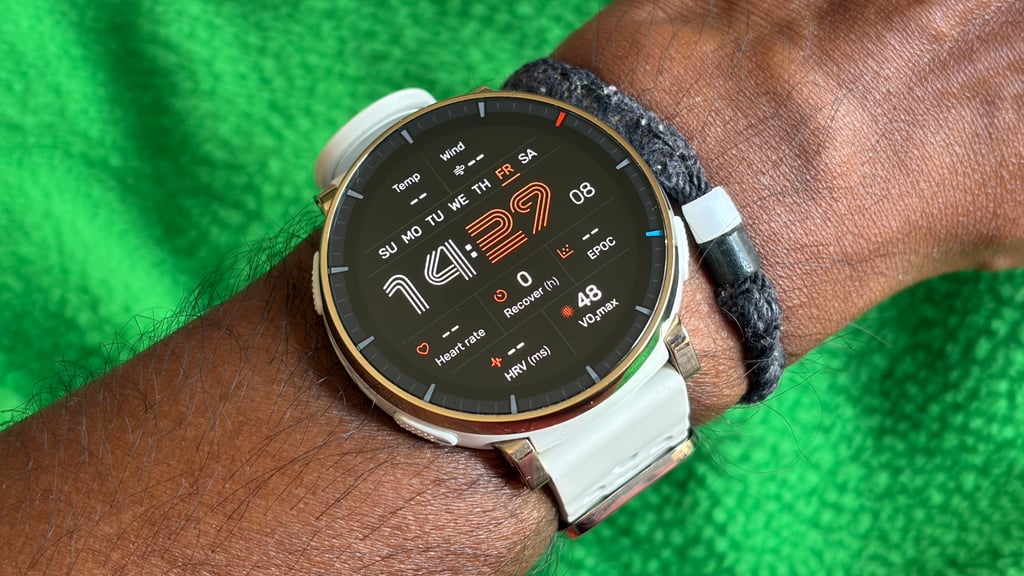
Amazfit's Active and Bip families are designed for users who want a smartwatch-style fitness experience without moving into the highest price tiers. Depending on the model, features include bright AMOLED displays, durable construction, physical controls, and battery performance suited to extended everyday use.
The combination of a bright screen and physical buttons can be particularly useful during outdoor activities, where quickly checking workout information or controlling the watch may be easier than relying entirely on touch controls.
4. Best Hybrid Fitness Tracker
Withings ScanWatch Light — Classic Watch Design with Health Tracking
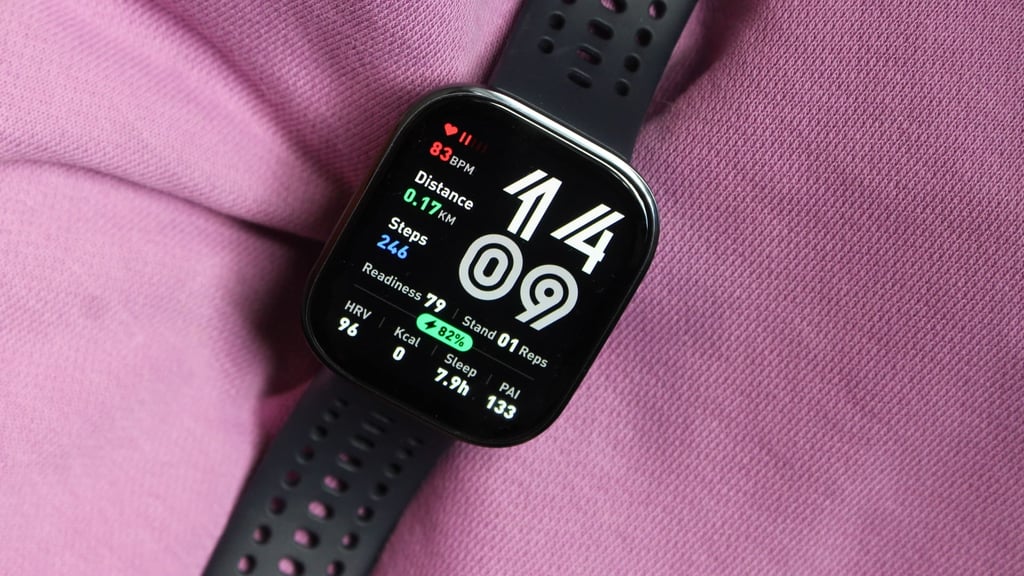
For users who do not want a traditional smartwatch appearance, the Withings ScanWatch Light offers a more classic approach. It combines traditional watch-style hands with health and fitness tracking, creating a wearable that can blend more naturally with professional and formal clothing.
- Battery Life: Up to 35 days on a single charge.
- Design: Traditional watch-inspired styling with a compact digital wellness interface.
- Best For: Professionals and users who want health tracking without a prominent smartwatch display.
Fitness Tracker Comparison at a Glance
| Tracker | Best For | Battery | Display | Subscription |
|---|---|---|---|---|
| Xiaomi Smart Band 10 | Budget & Everyday Fitness | 14+ days | AMOLED | No comparable premium membership required |
| Fitbit Air | Screen-Free Tracking | Up to 7 days | Screenless | Some advanced features require membership |
| Whoop 5.0 | Athletes & Recovery | 14+ days | Screenless | Yes |
| Huawei Watch Fit | Smartwatch-Style Fitness | 7–10 days | AMOLED | No ongoing subscription highlighted |
| Amazfit Active & Bip | Rugged Budget Fitness | Model dependent | AMOLED on selected models | No ongoing subscription highlighted |
| Withings ScanWatch Light | Classic Hybrid Design | Up to 35 days | Hybrid | No ongoing subscription highlighted |
GadgetBeng's Final Verdict
The best fitness tracker is not necessarily the device with the longest list of features. It is the one that fits comfortably into your daily routine and gives you information you will actually use. For casual users and first-time buyers, an affordable Xiaomi Smart Band or entry-level Amazfit model can provide a strong combination of activity tracking, health features, battery life, and convenience.
If you prefer a distraction-free experience, Fitbit and Whoop take a more screenless approach. Whoop is particularly focused on training strain, recovery, sleep, and long-term wellness data, although its membership cost needs to be considered before buying. For users who want a larger screen and smartwatch-style functionality, Huawei Watch Fit and Amazfit provide a useful middle ground.
And if you want your wearable to look more like a traditional watch than a piece of technology, the Withings ScanWatch Light is a compelling hybrid option. Ultimately, choose based on your budget, preferred design, required health features, battery expectations, and whether you are comfortable with a subscription-based ecosystem.
Fitness and health wearables are consumer devices and their measurements should not be treated as a substitute for professional medical diagnosis or clinical testing. Features, battery life, subscription requirements, and availability can vary by model and region.


