


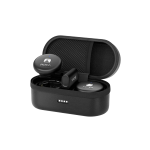
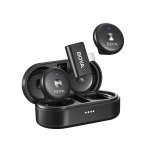
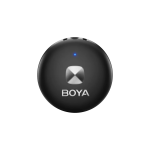
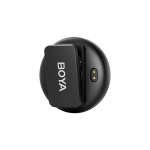
Boya Omic-D Ultracompact 2.4GHz Dual-Channel Wireless Microphone System
৳ 6,590
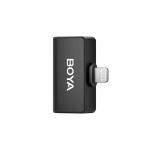
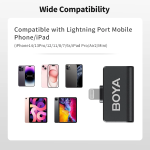
- MFi-Certified Lightning Receiver: Designed for seamless plug-and-play compatibility with iOS devices.
- Dual-Channel System: Features two transmitters and a receiver to record two people simultaneously.
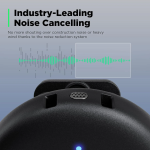
- One-Click Noise Cancellation: Advanced active de-noise tech filters out background sound for crisp vocal clarity.
- 48kHz/16-bit HD Audio: Delivers high-definition sound with a >80dB signal-to-noise ratio and 20Hz–20kHz response.
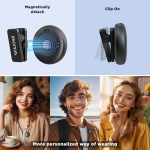
- Detachable Magnetic Clips: Offers versatile wearing options via magnetic clips, traditional attachment, or lanyards.
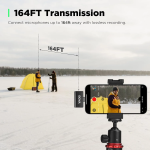
- 50m Wireless Operating Range: Reliable 2.4GHz digital transmission up to 50 meters line-of-sight.
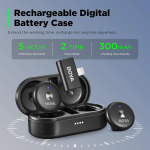
- Up to 15 Hours Total Battery: 5 hours per transmitter charge, extended to 15 hours via the charging case.
- Pass-Through Device Charging: USB-C port on the receiver allows charging your iPhone while actively recording.
🎁 Special Offers
🚚 Free Delivery
৳2,000 টাকার বেশি অর্ডারে Free Delivery
💰 Shopping Bonus
৳5,000 টাকার বেশি অর্ডারে ৳300 ডিসকাউন্ট
Available on backorder
Boya Omic-D Ultracompact 2.4GHz Dual-Channel Wireless Microphone System
Find the right microphone for your audio recording needs, whether you are creating videos, recording vocals, hosting online meetings, livestreaming, gaming, podcasting, or performing on stage. The right microphone helps capture speech and sound more clearly, making it an essential accessory for creators, musicians, students, professionals, and everyday users.From compact clip-on microphones and wireless lavalier systems to USB recording microphones and professional vocal microphones, different microphone types are designed for different recording environments. Choose a model based on your intended use, device compatibility, pickup pattern, connection type, and portability requirements.Explore Different Types of Microphones
Wireless Microphones
Enjoy more freedom of movement when recording videos, conducting interviews, presenting, or creating content away from your recording device.
Lavalier Microphones
Compact clip-on microphones are convenient for interviews, tutorials, online teaching, presentations, and hands-free voice recording.
USB Microphones
USB microphones provide a convenient connection for compatible computers and other supported devices used for meetings, streaming, podcasting, and voice recording.
Vocal and Performance Microphones
Handheld microphones are useful for singing, speeches, presentations, karaoke, and compatible sound-system setups.
Studio and Podcast Microphones
Choose a suitable microphone for podcasts, voiceovers, home studios, interviews, and other recording workflows.
Gaming and Streaming Microphones
Dedicated gaming and streaming microphones can improve voice capture for compatible gaming, communication, and live broadcast setups.
Choose the Right Microphone for Your Needs
Selecting a microphone starts with understanding how you intend to use it. A portable wireless microphone is often convenient for smartphone videos, while a USB microphone can be a practical choice for computer-based meetings, streaming, and recording. Musicians and live performers may need a vocal microphone that works with their mixer, amplifier, or audio interface.- For vlogging: Consider a compact wireless or clip-on microphone that works with your smartphone or camera.
- For interviews: A dual wireless microphone system can help capture two speakers independently of the phone's built-in microphone.
- For online meetings: Choose a compatible USB microphone or headset microphone suited to your computer setup.
- For podcasting: Consider a USB or XLR microphone according to your recording equipment and workflow.
- For singing and events: Select a vocal microphone that matches your sound system and intended performance environment.
- For gaming: Look for clear voice capture and compatibility with your computer or gaming platform.
Important Microphone Features to Consider
1. Microphone Type
Dynamic microphones are commonly used for live vocals and performance applications. Condenser microphones are widely used for detailed voice capture, studio recording, and content creation. The best option depends on the model, environment, and recording requirements.2. Pickup Pattern
A cardioid microphone primarily captures sound from the front and can help reduce sound arriving from other directions. An omnidirectional microphone captures sound from multiple directions and can be useful for lavalier recording and situations where the speaker may move naturally.3. Connectivity and Compatibility
Microphones may connect through USB Type-C, USB-A, Lightning, 3.5mm audio, or XLR. Check your phone, computer, camera, mixer, or audio interface before choosing a model. Some devices require an appropriate adapter or support for external audio input.4. Wired or Wireless Operation
Wired microphones provide a direct connection without wireless transmission, while wireless systems offer greater mobility. Wireless models require attention to battery runtime, receiver compatibility, transmission range, and possible interference.5. Noise Handling and Recording Environment
Microphone placement, room acoustics, wind protection, and distance from the speaker all affect recording quality. Noise reduction features may help in certain situations, but they cannot eliminate every background sound.Microphone Buying Guide
| Your Requirement | Microphone Type to Consider |
|---|---|
| Smartphone videos and vlogging | Wireless lavalier or compatible mobile microphone |
| Two-person interviews | Dual wireless microphone system |
| Computer meetings and voice calls | USB microphone or headset microphone |
| Podcasting and voiceovers | USB or XLR recording microphone |
| Live singing and speeches | Compatible handheld vocal microphone |
| Gaming and livestreaming | USB desktop microphone or compatible headset microphone |
Frequently Asked Questions (FAQ)
1. Which microphone is best for mobile vlogging?
A compact wireless lavalier microphone is often convenient for vlogging because it clips onto clothing and allows the creator to move while recording. Check compatibility with your phone or camera.
2. What is the difference between a wired and wireless microphone?
A wired microphone connects directly to a compatible device or audio system. A wireless microphone sends audio to a receiver, providing more freedom of movement but requiring suitable power and wireless connectivity.
3. Can I connect a microphone to my smartphone?
Yes, if the microphone supports your smartphone's connection type and the device supports external microphone input. An adapter may be required for some combinations.
4. Is a USB microphone suitable for podcasting?
A USB microphone can be a convenient choice for podcasting because it connects directly to compatible computers. Check its pickup pattern, monitoring features, and software compatibility before choosing a model.
5. What is a lavalier microphone?
A lavalier microphone is a small microphone designed to clip onto clothing, making it useful for interviews, presentations, video recording, and hands-free speaking.
6. Does noise cancellation remove all background noise?
No. Noise reduction can lessen some unwanted sounds, but results depend on the microphone, environment, speaker distance, and type of background noise.
7. What is the difference between USB and XLR microphones?
USB microphones connect directly to compatible digital devices. XLR microphones connect to compatible audio interfaces, mixers, or other audio equipment and are often used in more flexible recording setups.
8. Which microphone is suitable for singing?
A vocal microphone designed for performance is a common choice. Confirm that its connector, output level, and microphone type suit your amplifier, mixer, or audio interface.
9. Do wireless microphones need charging?
Rechargeable wireless microphones require charging, while some systems use replaceable batteries. Check the specific model's power requirements and advertised battery runtime.
10. What should I check before buying a microphone?
Consider the intended use, connection type, device compatibility, pickup pattern, sound requirements, battery life for wireless models, and included accessories.
Find a Microphone for Your Setup
Choosing the right microphone can improve voice recording for videos, meetings, music, gaming, and live presentations. Compare the available microphone types and their specifications to find a model that suits your equipment and recording needs. Always verify the exact connector, supported devices, and included accessories before ordering.SMART GADGETS • TECHNOLOGY • ACCESSORIES
You May Also Like
More picks from this category


Reviews
Clear filtersThere are no reviews yet.